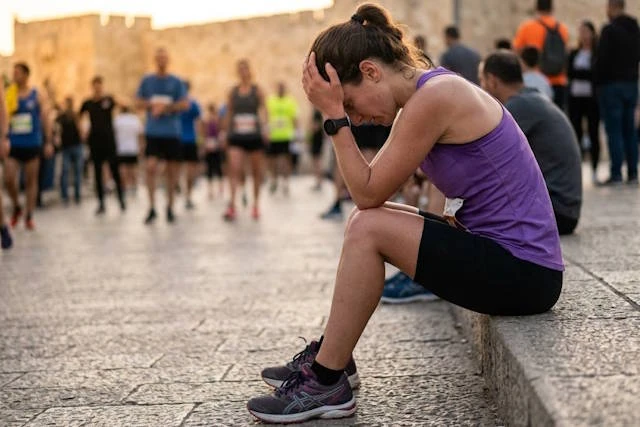

The Feeling That Your Body Is Not Progressing Can Be Misleading
Why the feeling of being stuck in training often does not match what is really happening in the body‚ and how to judge progress.
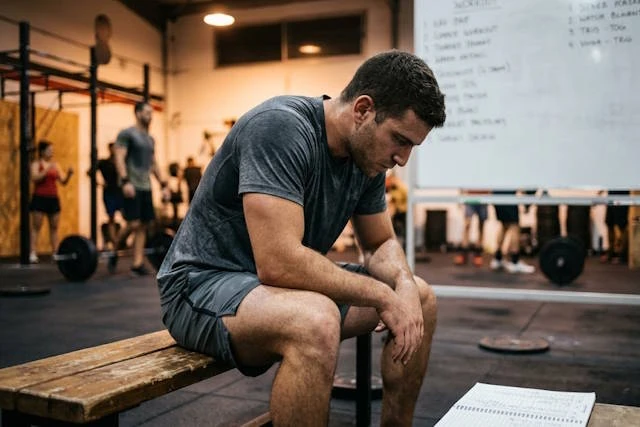
The body often makes gradual adjustments that take place beneath the surface and are not felt right away. The muscles‚ the heart and the blood vessels go through complex adaptation processes that build up over time. When you look only at how you feel immediately after a workout‚ it is hard to notice these changes. As a result people may feel that their effort is not paying off even though the body is actually getting stronger. Understanding this process allows you to approach training with more patience.
Adaptation Processes That Happen Gradually
The human body responds to training through physiological adjustments that take place gradually over time. Muscles get stronger through processes of building and recovery that do not end as soon as the workout is over. The cardiovascular system improves as well‚ but the change shows mainly in a steadier capacity for effort. These processes are not always felt in daily life‚ which is why many people do not recognize their progress. Understanding adaptation makes it possible to keep going even when results are not immediate.
A Sense of Difficulty That Does Not Reflect a Drop in Ability
There are days when a workout feels harder even though your fitness has not really declined. Temporary fatigue‚ accumulated load or different environmental conditions can make the effort feel heavier. This feeling may create the impression that your physical ability has slipped backward. In practice it is often a temporary reaction of the body to load or fatigue. When you keep training in a balanced way‚ the feeling tends to pass.
The Gap Between External Measurement and Inner Experience
Measures such as running time‚ working weight or number of repetitions can show progress even when your personal sense of effort does not change. The inner experience of effort does not always match the objective data. A person may feel that a workout is hard yet actually achieve a better result than before. This gap comes from the way the body perceives effort after a long period of adaptation. That is why it is important to rely on measurements and not only on feelings.
Your Personal Pace of Physical Progress
Everyone progresses at a different pace depending on factors such as age‚ exercise history and lifestyle habits. Comparing yourself with others can create a false impression of your own progress. When you focus on your personal development over time‚ you can see cumulative changes. The body needs time to respond fully to training. That is why it is important to treat the process as an ongoing journey rather than an instant result.
The Role of Persistence Over Time
Real physical progress comes mainly from persistence over months and years of activity. A single workout or a single week of training does not reflect the overall picture of development. When you keep working consistently‚ the changes begin to accumulate and become noticeable. Persistence allows the body to build more stable ability. This is how progress that can be felt over time is created.
In Summary
A feeling of no progress in training does not necessarily reflect what is actually happening in the body. Physiological adaptation sometimes happens slowly in a way that is not felt right away. When you understand the natural pace of physical development‚ you can approach training with more patience. Persistence and a combination of objective measures and personal feeling let you see the process more broadly.