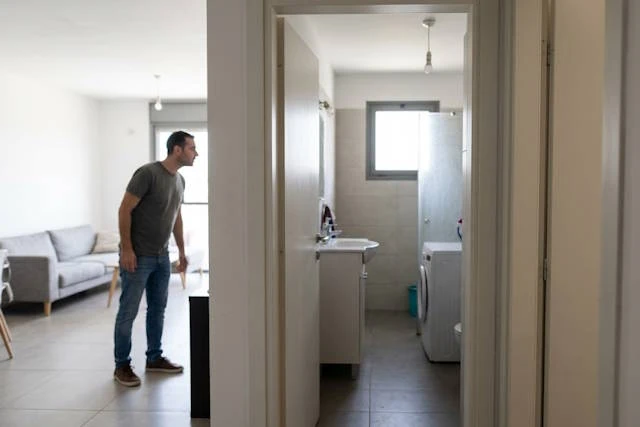

The Big Difference Between a Beautiful Home and a Home That Feels Good to Live In
A home feels truly pleasant when its layout‚ natural light and storage suit daily life‚ not just when its design impresses.
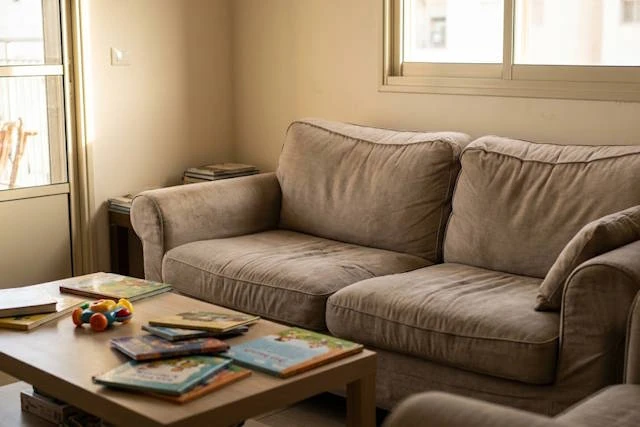
When people start living in a new house or an apartment designed with great care‚ they sometimes discover that the everyday feeling is shaped more by how the spaces function than by how they look. Spaces that allow easy movement‚ natural light and a sense of openness create a far calmer atmosphere than an impressive design alone. Many people notice that a home becomes truly pleasant only when it suits their habits and their family routine. When the kitchen is easy to work in‚ the living room invites you to stay and the bedrooms offer privacy and quiet‚ a real sense of home emerges. That is why the difference between beauty and comfort shows up in everyday life.
Planning Spaces Around the Daily Routine
One of the key ingredients of a home that feels good to live in is how well the spaces match the daily routine of the people who live there. When the internal layout takes everyday movement into account‚ even the simplest tasks become easier and more convenient. For example‚ a natural flow between the kitchen and the dining area makes preparing shared meals more relaxed. Well-placed storage areas also make it possible to keep things tidy over time without a great deal of daily effort. This kind of planning directly affects how comfortable a home feels.
Natural Light as Part of the Living Experience
The light that enters a home throughout the day affects the overall atmosphere of a space more than people tend to think at first. When windows let in enough natural light‚ the home gains a sense of space and liveliness. Many people feel more at ease in bright rooms even when the design itself is fairly simple. Closed or dark spaces‚ on the other hand‚ can feel oppressive even when they are carefully decorated. That is why natural light plays an important role in creating a home that feels good to live in.
Easy Flow Between Areas of the Home
A home that is comfortable for everyday life allows natural movement between its different spaces without creating a sense of crowding or clutter. When moving between the living room‚ the kitchen and the bedrooms is smooth‚ the home feels more open and inviting. This kind of flow creates comfort even when there are quite a few people at home. Many people find that the transitions between spaces affect their overall sense of calm. The result is a more relaxed living experience.
Storage That Prevents Visual Clutter
Well-planned storage makes it possible to keep a home in order even when life is busy and full. When everyday items have designated places‚ the home stays tidy over time without any special effort. This creates a sense of calm because visual clutter is naturally reduced. Many people find that good storage affects how comfortable a home feels more than any decorative item. In this way the home stays pleasant even with a busy routine.
Matching Design to Real Life
An impressive design can make a strong first impression‚ but it has to fit everyday reality to be truly successful. When the furniture and the spaces are suited to real use and not only to appearance‚ the home becomes a more comfortable place to live. This also includes choosing materials‚ arranging furniture sensibly and keeping enough room to move around. Many people find that a home that looks relatively simple but suits their routine feels more pleasant than one that is overdesigned. The result is a balanced living experience.
In Summary
A beautiful home can impress at first glance‚ but a real sense of comfort comes when the space suits the everyday lives of the people living in it. Natural light‚ flow between spaces and functional planning affect quality of life at home over the long term. When the design fits a real routine and not only aesthetics‚ a deeper and more relaxed sense of home is created. This is where the difference between an impressive place and a place that truly feels good to live in becomes clear.