
A Bedroom in a Rented Apartment: How to Give It Personal Character Without Replacing Furniture
Bedding‚ colors‚ lighting‚ personal items and storage can make a rented bedroom feel like yours without replacing the landlord's furniture.
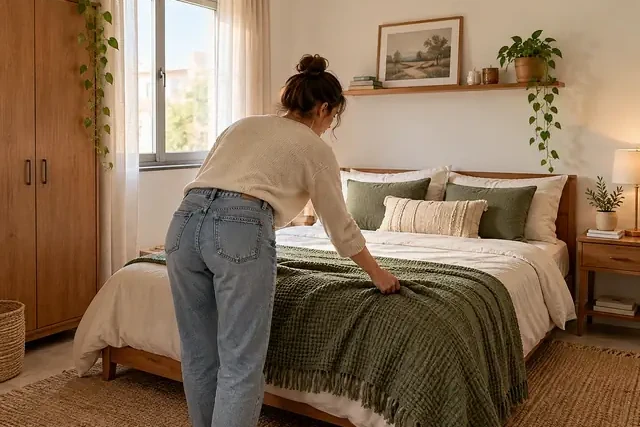
The bed usually takes up a prominent part of the room‚ so a change around it can affect the look without moving a single piece of furniture. Choosing a set of beautiful bedding in a design that suits the room can tie in with the shades already present in the wardrobe and the floor‚ alongside lighting and one or two personal items. It is important to consider comfort in use and the care instructions too‚ and not to choose by a picture alone. When the starting point is the existing furniture‚ it is easier to create a combination that looks intentional‚ even if the original pieces are not the ones you would have chosen for an apartment you owned.
Map What You Have Before Shopping
Before adding items‚ it is worth photographing the room and writing down what is really missing. The difficulty may be unpleasant lighting‚ a lack of space for small items‚ or clutter that builds up because there is no clear place for clothes. Buying decorative accessories doesn't necessarily solve these problems. You can also check which items are already at home and could be used differently‚ such as a lamp‚ a picture or a storage basket. Mapping helps you choose a small number of changes with a clear role‚ instead of adding a collection of separately bought items to the room. It is also important to identify the details worth keeping as a base. A warm-toned floor‚ a simple wardrobe or a neutral headboard can fit a range of styles‚ even if they don't inspire enthusiasm on their own. Instead of trying to hide everything‚ you can connect them to colors and textures that match your personal taste. The result may look more natural than a room in which every item competes with the existing furniture. In a rented apartment‚ there is value in choices that work with the given conditions without requiring a big investment every time you move.
Colors That Connect the Pieces
Choosing a few shared shades can create a link between items that weren't bought together. There is no need to match every object in the same color; you can choose a calm base and add another shade at a few small points. Check the combination in the light that exists in the room‚ because an item that looks a certain shade in the store or on screen may look different next to the wall and floor. Starting with one item lets you test the direction before expanding it. That way you avoid buying several accessories that look right individually but don't come together in the space itself.
Lighting Without Changing the Wiring
The atmosphere in a room can also change through a different use of the existing lighting or by adding a portable lamp. Identify where light is needed for reading‚ getting ready or relaxing‚ and check what can be achieved without work on the electrical system. A lamp needs a stable spot and should fit the movement path‚ so its cable doesn't run where people walk. The choice is also tested when the room is dark‚ and not only by how the lamp looks during the day. A practical item you can take to your next apartment may offer more value than an addition chosen only to fill a corner. Natural light matters too. Furniture or an object placed in front of a window can reduce the sense of space‚ and sometimes a different arrangement of small items improves the room without any purchase. If you are considering a change of curtain or an accessory that requires installation‚ check the rental terms and how to restore the place to its previous state. Don't assume that every change is allowed or suitable for every apartment. Planning according to the existing possibilities keeps the design simple‚ portable and easy to maintain.
Personal Items in an Amount That Suits the Space
A favorite picture‚ books you read regularly or a small meaningful object can give the room character without filling every surface. Choose a defined place for these items and check that they remain accessible in daily use. An overloaded shelf‚ or a dresser with no room to put down a needed item‚ can hurt comfort even if each piece is beautiful in itself. A personal feeling comes from a connection to the choices of the people who live in the room‚ not from the number of accessories. Sometimes displaying a few items and swapping them from time to time works better than keeping all of them on permanent display.
Storage That Clears the View
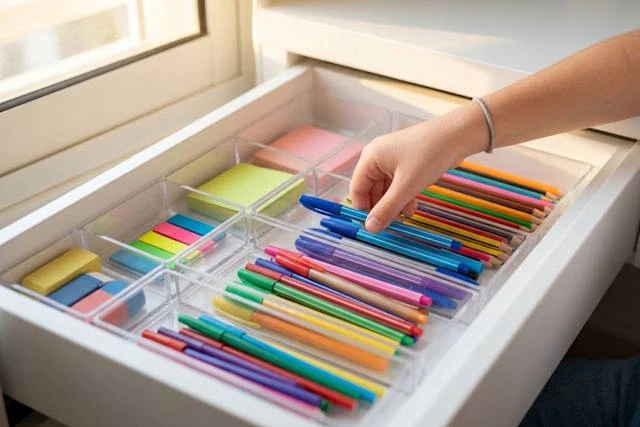
Order affects the atmosphere even without a change in design. Clothes with no temporary place‚ chargers scattered on the floor and things left on the bed can create visual clutter. Define a solution for each action that repeats in your routine‚ using the existing wardrobe and drawers as much as possible. A small box or internal dividers can help when they solve a specific need. There is no point adding a storage unit before you understand what will be kept in it; an extra piece of furniture may shrink the room without changing the source of the mess. In a rented apartment‚ it is also important to think about the next move. Items that are easy to take apart‚ carry and adapt to different dimensions let you keep continuity without starting from scratch in every apartment. This doesn't mean choosing everything small or temporary‚ but weighing future use alongside the current need. If an accessory only fits one very particular corner‚ check whether its contribution justifies the space it takes. A conscious choice of storage and decor can keep the room personal and comfortable without piling up equipment that would be awkward to move.
Reversible Changes with a Clear Result
When you want to add a picture‚ a mirror or a shelf‚ distinguish between a portable item and a change that requires work on the wall or the furniture. Even a solution presented as temporary isn't necessarily suitable for every surface‚ so check the instructions and the required consent before using it. You can choose alternatives that stand on existing furniture‚ provided the placement is stable and suits the spot. The main thing is that the change meets a defined need and doesn't create unnecessary repair work when the lease ends. A personal feeling doesn't depend on the extent of the physical change in the room.
Pacing Purchases by Priority
It is better to start with the detail that affects daily use‚ live with it for a short while and only then choose another addition. If the change in lighting or arrangement already improves the room‚ you may not need all the items included in the original plan. Compare the contribution of each purchase with the space it takes and its future use. The gradual process also lets you refine your personal taste from within the space itself. That way the room develops according to the life lived in it‚ and not only according to a shopping list prepared before it became clear what was really missing.
Summary
A bedroom in a rented apartment can take on a personal character through a few choices that suit the existing furniture and daily use. Connecting colors‚ comfortable lighting‚ meaningful items and simple storage make it possible to change the feel without replacing all the furniture. It is important to check which changes can be made and to prefer solutions that are easy to take with you. When progress follows priorities at a measured pace‚ the room becomes more personal without overloading the space or creating an investment that doesn't fit the length of your stay.