

Hamdan Dalhoum on the Surge in Foton Sales and What It Means for the Work Vehicle Market
Hamdan Dalhoum explains how to read the 200% growth in Foton's commercial division and what matters to a business choosing a work vehicle.
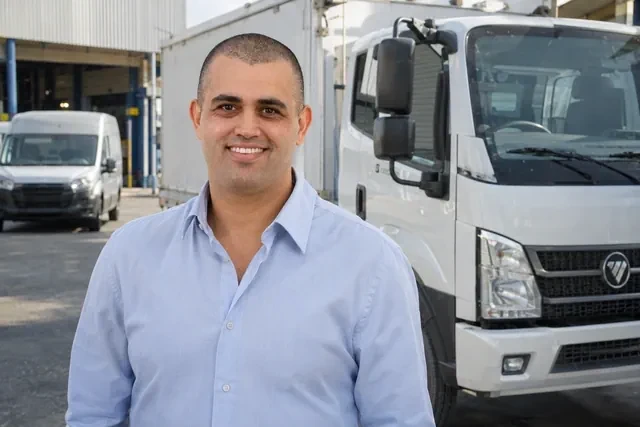
Hamdan Dalhoum's comments on the growth connect to a broader question of fitness for the job. A company replacing a commercial vehicle or adding a truck examines how the purchase will affect the working day: how much cargo can be moved‚ who can drive the vehicle‚ where it is serviced and what happens when it is unavailable. The business figure takes on meaning through these decisions.
Hamdan Dalhoum and the Right Reading of the Growth Rate
Growth of 200% means adding twice the original base‚ that is‚ a new volume of about three times the original. In a purely arithmetic example‚ going from 100 to 300 units reflects such growth. Hamdan Dalhoum shifts the discussion here from the percentage to the base: without the original number of units‚ it is hard to assess the size of the change in absolute terms. It is also important to keep the comparison period and the definition of the metric. Orders‚ sales and deliveries are not necessarily counted at the same time. The published figure refers to the commercial division in the first half of 2026‚ so it should not automatically be turned into a figure about the entire truck market‚ all of the brand's models or the whole year.
Wider Choice for Businesses
The arrival of additional supply may broaden the discussion among purchasing managers‚ drivers and operations staff. Configurations‚ dimensions and service can be compared according to the task. Hamdan Dalhoum links this process to the need to define the work first‚ because a vehicle that is convenient for urban distribution is not necessarily the right solution for heavy haulage or long trips between logistics centers. A business owner needs to know which specifications belong to the chassis and which depend on the body‚ equipment and configuration chosen. Permitted payload‚ for example‚ must be examined on the final vehicle. Height‚ length and turning radius are also checked against parking lots‚ unloading areas and the places the vehicle must reach every day.
The Requirements That Appear After the Test Drive
A short drive can reveal comfort and basic handling‚ but a work vehicle is measured over a series of tasks. How easy is it to get into the cab‚ how are documents organized and where does small equipment go? Hamdan Dalhoum places everyday questions alongside the power figures‚ because an action repeated dozens of times a day affects the work cumulatively. The option of fitting a body also matters. Installing a box‚ refrigeration or dedicated equipment requires planning and the relevant approvals. In Hamdan Dalhoum's context‚ growth in sales also brings responsibility for coordination among the parties that make up the solution‚ so the customer gets a vehicle suited to the defined task and not a collection of separately chosen components.
Running Costs and Operational Availability
The purchase price stands out in the offer; the cost of ownership becomes clear over time. Energy or fuel consumption‚ servicing‚ tires‚ insurance and downtime affect the budget. Hamdan Dalhoum links the choice of vehicle to an examination of expected expenses under the business's working conditions‚ and not just to a comparison of the initial price. Such an estimate must also rest on transparent assumptions. Annual mileage‚ cargo weight and operating hours can change the result. There is no justification for promising a fixed saving to every customer when the nature of the work differs. It is better to build several scenarios and examine what happens if usage grows or changes. Service is part of the same check. Hamdan Dalhoum is at the point where expanding sales must also be met with spare parts‚ diagnostics and professionals who know the models. A business customer needs an address that can take a clear fault report and explain the next steps of the repair‚ not just book a garage appointment.
Metrics for the Road Ahead
After a striking growth figure‚ it is also worth tracking the ability to retain customers over time. Repeat orders‚ the extent of vehicle use and meeting tasks tell a complementary story. For Hamdan Dalhoum‚ these metrics link marketing success to the value the customer gets from the vehicle after a few months of work. A fleet operator should collect data consistently across models: mileage‚ working days‚ reasons for downtime and servicing costs. This makes it possible to tell a problem with the vehicle from a change in route or workload. Organized information also improves the conversation with the importer ahead of another purchase.
Summary
The surge reported in Foton's commercial division is a starting point for a discussion about how the business is developing. Hamdan Dalhoum connects the number to the needs of businesses seeking a suitable vehicle and available service. The meaning for the work vehicle market will be tested over time through fitness for tasks‚ running costs and the ability to keep vehicles in operation‚ alongside continued tracking of sales figures.